
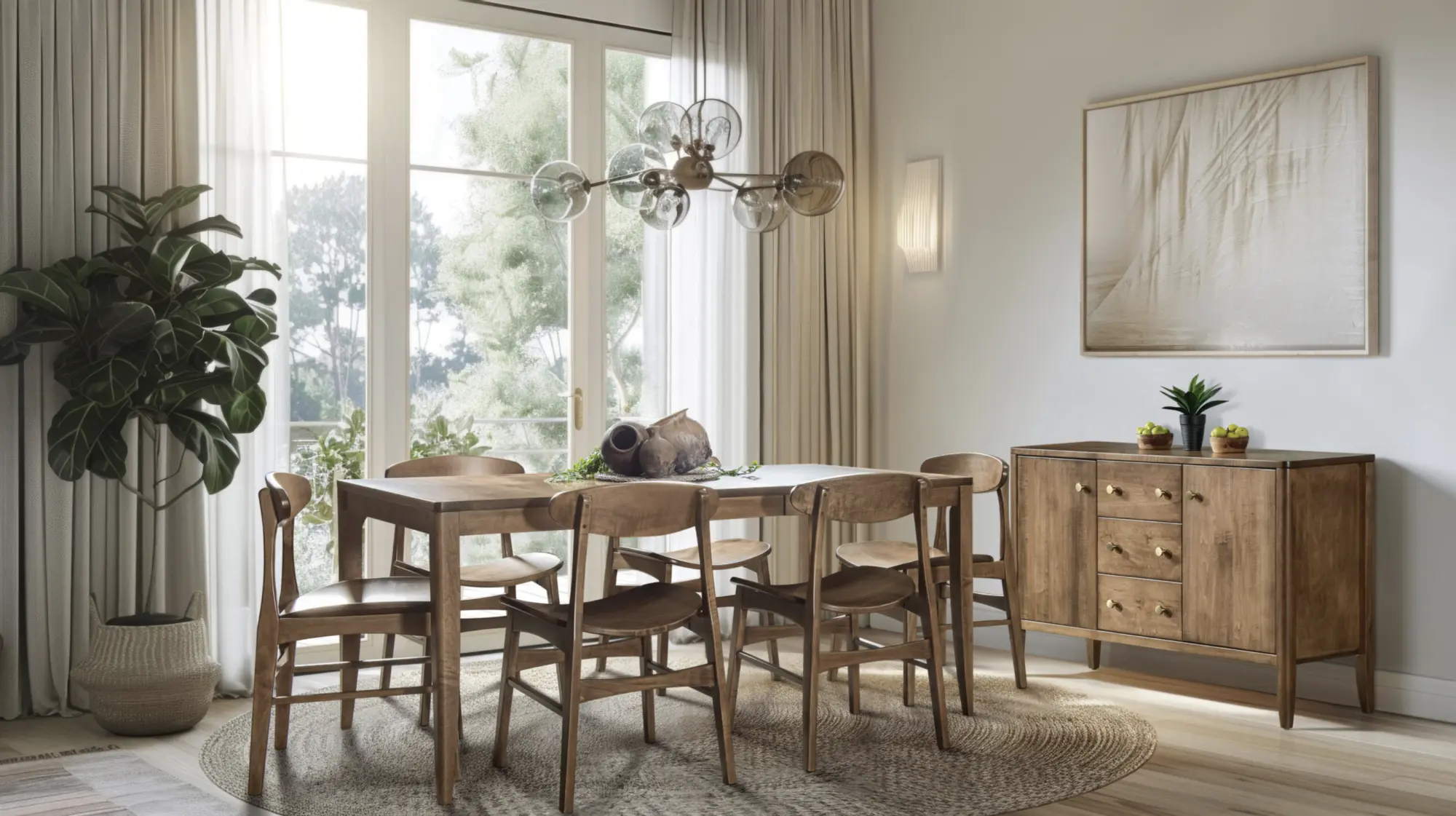
If you’re shopping for furniture in Colorado Springs, you’ve likely encountered the term “Amish furniture” and wondered what sets it apart from mass-produced alternatives. Amish furniture represents more than just a purchase, it’s an investment in centuries-old craftsmanship, sustainable materials, and pieces built to last for generations.
Understanding Amish Furniture: More Than Just a Label
Amish furniture refers to handcrafted wooden furnishings created by skilled Amish artisans, primarily from Pennsylvania, Indiana, and Ohio. These pieces are distinguished by their construction from solid hardwoods, traditional joinery techniques, and meticulous attention to detail. Unlike factory-made furniture that relies on particle board, laminate, or metal fasteners, authentic Amish furniture showcases the natural beauty of real wood and the expertise of craftspeople who have honed their skills over decades.
The term “Amish furniture” isn’t actually a style designation but rather an indicator of who makes the furniture and how it’s constructed. Amish craftsmen produce furniture in various styles, from simple Mission and Shaker designs to more ornate Queen Anne pieces, all unified by their commitment to quality and durability.
The Rich History Behind Amish Furniture Making
Amish furniture first captured widespread attention during the 1920s when collectors and historians began recognizing the beauty and quality of early American folk art. Various distinctive schools emerged, each with unique characteristics. The Jonestown School, which began in the late 18th century in Lebanon County, Pennsylvania, became famous for painted blanket chests decorated with floral panels, examples of which now reside in both the Smithsonian Museum and the Metropolitan Museum of Art in New York City.
Henry Lapp, a furniture maker from Lancaster County, Pennsylvania, played a pivotal role in shaping what we recognize today as traditional Amish furniture. He abandoned the painted, Germanic-style influences of earlier pieces and opted for an undecorated, plain aesthetic that emphasized function and form. This philosophy continues to guide Amish furniture makers today.
Furniture making within Amish communities represents more than just a trade. It’s a heritage passed down through generations. Most Amish children help in family workshops from a young age, learning the craft that has sustained their communities for centuries. This generational knowledge transfer ensures that time-honored techniques remain alive and that each piece carries the wisdom of master craftsmen.
What Makes Amish Furniture Different?
Solid Hardwood Construction
The foundation of any Amish furniture piece begins with material selection. Amish craftsmen use exclusively solid hardwoods, never particle board, MDF, or laminate materials. Common wood choices include:
- Oak: Both red oak and quarter-sawn white oak offer exceptional durability and warm coloring
- Cherry: Features a light reddish-brown hue that deepens beautifully with light exposure
- Maple: Ranges from hard rock maple to softer brown maple, prized for consistent grain
- Walnut: Provides rich, deep coloring from nearly white sapwood to dark brown heartwood
- Hickory: Harder than oak with dramatic light and dark contrasts
- Pine, Cedar, and other specialty woods: Selected for specific applications
Each piece of wood undergoes careful inspection before use. Craftsmen examine the grain patterns, check for flaws, and hand-select boards that will complement each other in the finished piece. This attention to detail ensures that no two pieces of Amish furniture are ever identical. Each has its own unique character derived from the natural variations in the wood.
Traditional Joinery Techniques
Perhaps the most distinguishing characteristic of Amish furniture lies in how pieces are joined together. Rather than relying on screws, nails, or metal brackets, Amish craftsmen employ traditional woodworking joints that create incredibly strong, lasting connections:
Mortise and Tenon Joints: This ancient technique involves cutting a protruding tenon on one piece of wood that fits precisely into a mortise (hole) in another piece. Used for connecting furniture legs and creating 90-degree angles, this joint has proven its strength for thousands of years.
Dovetail Joints: These complex interlocking “fingers” or “tails” fit together like puzzle pieces, creating joints that are virtually unbreakable. Often used in drawer construction and visible as decorative features, dovetail joints require exceptional skill to execute properly.
Tongue and Groove Joints: Similar to mortise and tenon but much longer, these joints connect boards edge-to-edge to create wider panels for tabletops and cabinet backs. The seamless appearance adds to the furniture’s refined look.
Dowel Joints: Small wooden rods inserted into precisely drilled holes provide additional strength where needed, particularly in chairs and other weight-bearing pieces.
These traditional joints, reinforced with high-quality wood glue, create connections that actually strengthen over time rather than loosening like metal fasteners. The result is furniture that can serve families for generations without losing its structural integrity.
Hand Tools and Pneumatic Equipment
Because Amish beliefs limit the use of electricity from public power grids, craftsmen have adapted their workshops accordingly. While they do use hand planes, chisels, saws, and other traditional tools for detail work, many Amish workshops also employ pneumatic (air-powered) tools run by diesel-powered compressors. This allows for efficient production while maintaining their values.
The combination of power tools for rough work and hand tools for finishing touches ensures both efficiency and the personal touch that makes each piece special. Craftsmen use jack planes, jointer planes, and smoothing planes to achieve those glass-smooth surfaces that characterize quality Amish furniture.
Popular Styles of Amish Furniture
Amish craftsmen produce furniture in numerous styles to suit different tastes and home décors:
Mission Style
Mission furniture emerged during the late 19th and early 20th centuries as part of the Arts and Crafts movement, rejecting Victorian-era excess in favor of simplicity. Key characteristics include:
- Clean, straight lines and right angles
- Exposed joinery as decorative elements
- Flat panels that highlight natural wood grain
- Sturdy slats, particularly in chairs and beds
- Often made from oak with visible, angular carpentry
- Black metal or diamond-shaped hardware
Mission style appeals to those who appreciate modern, uncluttered aesthetics with a focus on functionality.
Shaker Style
Originating from the Shaker religious movement, this style emphasizes minimalist beauty and exceptional utility. Distinguishing features include:
- Plain, elegant design focused on purpose
- Tapered legs and subtle curves
- Clean lines without ornate decoration
- Round wooden knobs
- Lighter appearance that brightens spaces
- Traditionally made from maple, though modern versions use various hardwoods
Shaker furniture suits homeowners who value simplicity and timeless design that complements various décor styles.
Queen Anne Style
In direct contrast to Mission and Shaker simplicity, Queen Anne represents traditional elegance:
- Curved or cabriole legs
- Scrolled posts and ornate moldings
- Carved ornamentation and decorative details
- More formal appearance
- Rich finishes that emphasize luxury
Queen Anne style appeals to those seeking classic, sophisticated pieces with traditional craftsmanship.
Additional Styles
Amish craftsmen also create furniture in Contemporary, Rustic, Farmhouse, Country, and Southwestern styles, demonstrating their versatility and ability to adapt traditional techniques to modern tastes.
The Environmental Benefits of Amish Furniture
Choosing Amish furniture represents an environmentally responsible decision in several ways:
Sustainability: Amish craftsmen use locally sourced, sustainably harvested hardwoods, avoiding the environmental costs of importing exotic woods from overseas. Most wood comes from forests in the eastern United States, particularly the Appalachian region.
Longevity: Because Amish furniture lasts for generations rather than years, it doesn’t contribute to landfill waste the way disposable furniture does. An armoire used by three generations avoids ending up in a landfill for decades.
Low-VOC Finishes: Craftsmen use low-VOC (volatile organic compounds) stains and finishes, creating healthier indoor air quality while maintaining durability and beauty.
Minimal Synthetic Materials: By relying on wood joinery rather than metal fasteners and synthetic adhesives, Amish furniture has a smaller environmental footprint than mass-produced alternatives.
Reduced Energy Consumption: The use of hand tools and pneumatic equipment powered by diesel compressors generally consumes less energy than large-scale factory production.
Wood Selection and Finishing Options
When purchasing Amish furniture, you’ll encounter numerous customization options:
Wood Types
Each wood species offers distinct characteristics:
Northern Red Oak: Offers warmth, rich color variation, and excellent durability. It’s the most popular choice among American consumers and works well with various stain colors.
Quarter-Sawn White Oak: Slightly harder than red oak with pronounced ray fleck patterns. Its antique appearance makes it ideal for Mission and Shaker styles.
Cherry: Starts as light reddish-brown and darkens beautifully with age and light exposure. Cherry develops a rich patina over decades.
Hard Maple: Harder than oak with consistent grain that accepts stain well. Shows beautiful figure patterns from different viewing angles.
Walnut: Heavy, hard, and stiff with rich brown tones. It holds stain, paint, and polish exceptionally well and ages gracefully.
Hickory: Even harder than oak with dramatic contrasts between creamy white sapwood and reddish-brown heartwood.
Stain and Finish Options
Amish furniture stores typically offer dozens of stain options, from natural and light finishes that showcase the wood’s inherent beauty to rich, dark stains that create dramatic effects. Finishes range from matte to high gloss, each offering different levels of protection and aesthetic appeal.
Many retailers allow you to order custom combinations of wood type, stain color, and finish, ensuring your furniture perfectly matches your existing décor.
Why Invest in Amish Furniture?
Durability and Value
While Amish furniture typically costs more upfront than mass-produced alternatives, the long-term value becomes clear when you consider:
- Pieces that last generations rather than years
- Solid wood construction that can be refinished if desired
- Traditional joinery that won’t loosen or fail over time
- Timeless designs that don’t go out of style
- Lower replacement costs over decades
Many families view Amish furniture as heirloom pieces that will be passed down to children and grandchildren, making the initial investment worthwhile.
Customization Possibilities
Unlike buying from big-box stores with limited options, Amish furniture often can be customized to your specifications:
- Specific dimensions to fit your space perfectly
- Choice of wood species and stain colors
- Hardware selections
- Style modifications to match your preferences
- Custom pieces designed for unique needs
This flexibility ensures your furniture suits both your aesthetic preferences and practical requirements.
Supporting Traditional Craftsmanship
Purchasing Amish furniture supports small family businesses and helps preserve centuries-old woodworking traditions. Each purchase enables craftsmen to continue their trade and pass their knowledge to the next generation, maintaining cultural heritage in an increasingly automated world.
How to Care for Your Amish Furniture
Proper care ensures your Amish furniture maintains its beauty for generations:
Regular Dusting: Use a soft, lint-free cloth to remove dust weekly. Avoid feather dusters which can scratch finishes.
Immediate Spill Cleanup: Wipe up spills immediately with a soft, damp cloth, then dry thoroughly. Standing liquids can damage finishes and leave marks.
Avoid Direct Sunlight: Prolonged sun exposure can fade wood and finishes. Use curtains or blinds to protect furniture, or rotate pieces periodically.
Climate Control: Maintain consistent humidity levels (35-45% is ideal). Extreme dryness can cause cracks, while excessive moisture can lead to warping.
Use Protective Pads: Place felt pads under decorative items and use coasters for beverages. Hot dishes should never be placed directly on wooden surfaces.
Periodic Cleaning: Every few months, clean with a quality wood cleaner appropriate for your finish type. Follow manufacturer recommendations.
Professional Refinishing: If your furniture shows wear after decades of use, professional refinishing can restore its original beauty. Solid wood construction makes this possible, unlike veneer furniture.
Finding Quality Amish Furniture in Colorado Springs
For Colorado homeowners seeking authentic Amish furniture, local availability makes a significant difference. Rather than ordering sight-unseen from distant retailers, visiting our showroom allows you to:
- Examine construction quality firsthand
- See and feel different wood species and finishes
- Assess size and proportions in person
- Ask questions about customization options
- Receive expert guidance from knowledgeable staff
- Support local businesses that stock genuine Amish pieces
As a locally-owned furniture store in Colorado Springs, we understand that purchasing furniture represents a significant investment. We offer diverse styles and customization options while maintaining the high standards that define authentic Amish furniture.
Making Your Decision: Is Amish Furniture Right for You?
Consider Amish furniture if you:
- Value quality craftsmanship over disposable goods
- Want furniture that will last for generations
- Appreciate natural materials and traditional techniques
- Seek pieces with character and uniqueness
- Prioritize sustainability and environmental responsibility
- Desire customization options for your specific needs
- Want furniture that can be refinished rather than replaced
Amish furniture may not be the right choice if you frequently redecorate or prefer ultra-modern styles that change with trends. However, for those seeking timeless pieces built to endure, Amish furniture offers unmatched quality and value.
Conclusion: An Investment in Quality and Tradition
Amish furniture represents far more than wooden chairs, tables, and cabinets—it embodies centuries of refined craftsmanship, sustainable practices, and dedication to quality. Each piece tells a story of skilled artisans who take pride in their work, selecting perfect boards, creating unbreakable joints, and finishing surfaces to glass-smooth perfection.
When you choose Amish furniture, you’re not just buying something to fill a space in your home. You’re investing in pieces that will serve your family for decades, acquire character with age, and potentially become treasured heirlooms. You’re supporting traditional craftsmanship and sustainable practices while bringing the warmth and beauty of real hardwood into your living spaces.
For Colorado Springs residents seeking furniture that combines beauty, durability, and authenticity, Amish furniture offers an exceptional choice. The combination of solid hardwood construction, traditional joinery techniques, and customization options creates pieces perfectly suited to your home and built to last for generations. Whether you prefer the clean lines of Mission style, the gentle elegance of Shaker design, or the traditional sophistication of Queen Anne pieces, Amish craftsmen can create furniture that transforms your house into a home filled with warmth, character, and enduring quality.