
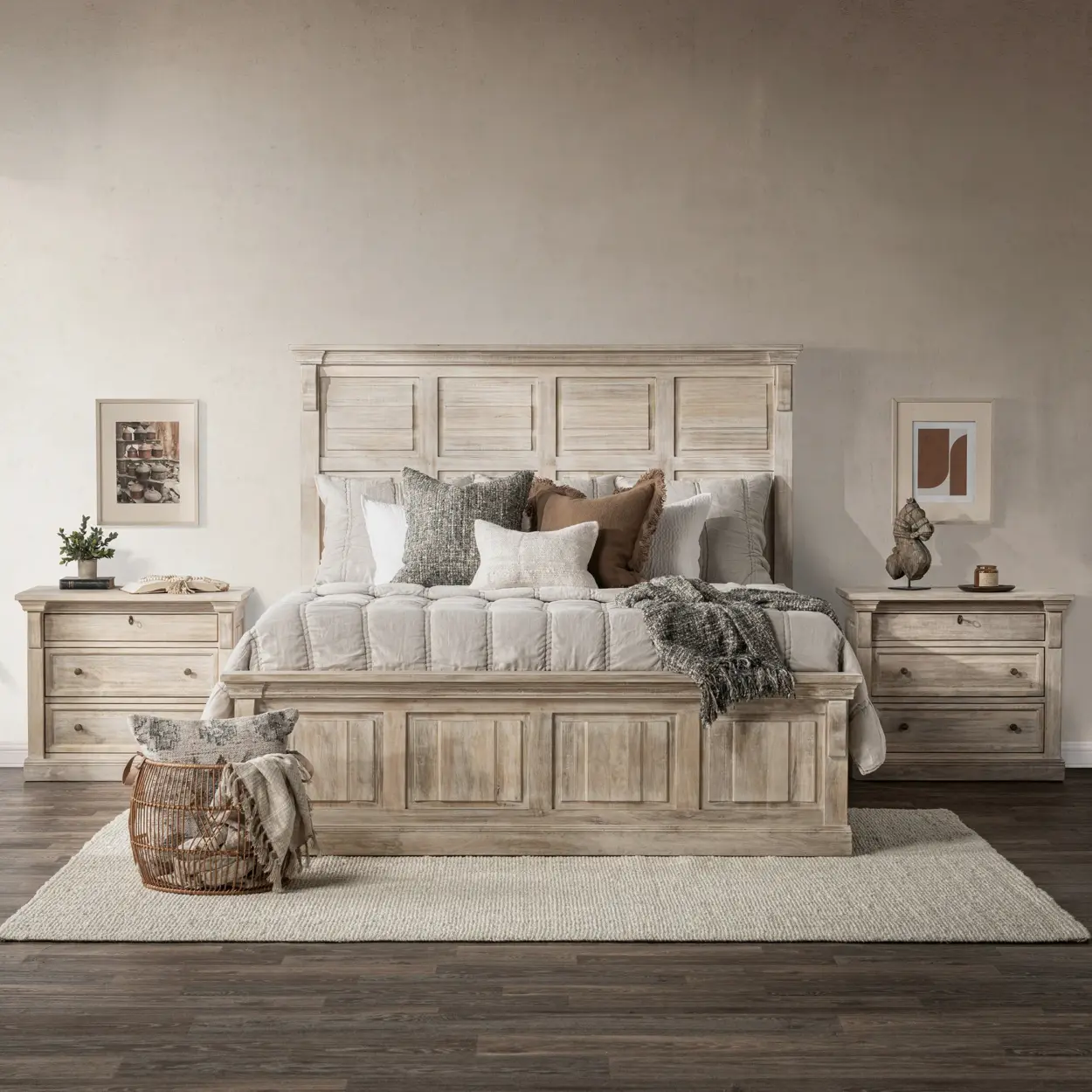
The Timeless Investment: Why a Solid Wood Bed is the Foundation of a Better Bedroom
In an era of fast furniture and fleeting trends, the solid wood bed stands as a steadfast symbol of quality, durability, and enduring style. For homeowners, designers, and wood enthusiasts alike, choosing a bed frame is not merely a matter of selecting a piece of furniture; it is an investment in nightly comfort, long-term value, and the very aesthetic foundation of your most personal space.
We understand the profound difference that real wood makes. As a locally-owned Colorado Springs real wood furniture store, we see firsthand the craftsmanship and natural beauty that goes into every piece.
This post will explore why a solid wood bed is the ultimate choice for your home, delving into the materials, construction, styles, and long-term benefits that set it apart from all other options.
The Definitive Difference: Solid Wood vs. Alternatives
The term “solid wood” is often used loosely in the furniture industry, but its meaning is crucial. A solid wood bed is constructed from timber cut directly from a tree, with all parts of the frame—headboard, footboard, and side rails—made from this single, natural material. This is the key distinction that separates it from cheaper, less durable alternatives.
Understanding the Materials
To make an informed decision, it is essential to know the difference between a true solid wood bed and frames made from engineered wood products.
| Material Type | Composition | Durability & Longevity | Aesthetic & Value |
|---|---|---|---|
| Solid Wood | 100% natural timber (e.g., Oak, Maple, Walnut, Pine). | Extremely durable; can last for generations; easily repaired and refinished. | Unique grain patterns; develops a rich patina over time; highest resale value. |
| Veneer | Thin layer of real wood glued over a core of particleboard or MDF. | Durable if well-maintained, but susceptible to chipping, peeling, and water damage. | Looks like real wood on the surface, but lacks the depth and character of solid wood. |
| Engineered Wood (MDF/Particleboard) | Wood fibers, sawdust, and glue pressed into sheets. | Least durable; prone to sagging, swelling from moisture, and difficult to repair. | Uniform, often covered in laminate or paper; lowest value and shortest lifespan. |
The superior density and structural integrity of a solid wood bed mean it can withstand years of use without the squeaking, cracking, or warping common in frames made with engineered materials. This inherent strength is what makes it a true heirloom piece.
The Anatomy of Durability: Why Solid Wood Lasts
The longevity of a solid wood bed is not just about the material itself, but also the way it is crafted. When you invest in a high-quality frame, you are paying for superior joinery and construction techniques that ensure stability and silence.
1. The Right Wood Species
The type of wood used directly impacts the bed’s strength, weight, and appearance. We appreciate the unique properties of various hardwoods and softwoods:
- Oak and Maple: These are classic choices for a solid wood bed. They are exceptionally hard, resistant to dents and scratches, and feature beautiful, distinct grain patterns. They are ideal for heavy-duty, long-lasting frames.
- Walnut and Cherry: Prized for their rich, dark colors and fine grain, these woods are often used in high-end, traditional, and mid-century modern designs. They are durable and age gracefully, deepening in color over time.
- Pine and Poplar: These softwoods are more affordable and lighter, making them popular for rustic, farmhouse, or budget-friendly solid wood options. While softer, they are still significantly stronger than engineered wood products.
- Acacia: A fast-growing, durable hardwood known for its striking, varied grain and natural resistance to moisture, making it a popular choice for modern and rustic designs.
2. Superior Joinery
The joints are the weakest points of any bed frame. High-quality solid wood beds utilize traditional joinery methods that rely on interlocking wood pieces rather than just screws and glue.
| Joinery Technique | Description | Benefit for Bed Frames |
|---|---|---|
| Mortise and Tenon | A tongue (tenon) fits snugly into a cavity (mortise). | Creates an incredibly strong, rigid, and silent connection, ideal for headboards and side rails. |
| Dovetail | Interlocking wedge-shaped pins and tails. | Primarily used for drawers, but a sign of high-quality craftsmanship in any furniture piece. |
| Dowel Joints | Wooden pins (dowels) are inserted into corresponding holes. | Adds reinforcement to butt joints, providing extra stability and preventing racking. |
The use of these techniques, often seen in Amish furniture, ensures that your bed remains rock-solid and free of the dreaded “squeak” for decades.
Aesthetic Versatility: Solid Wood for Every Style
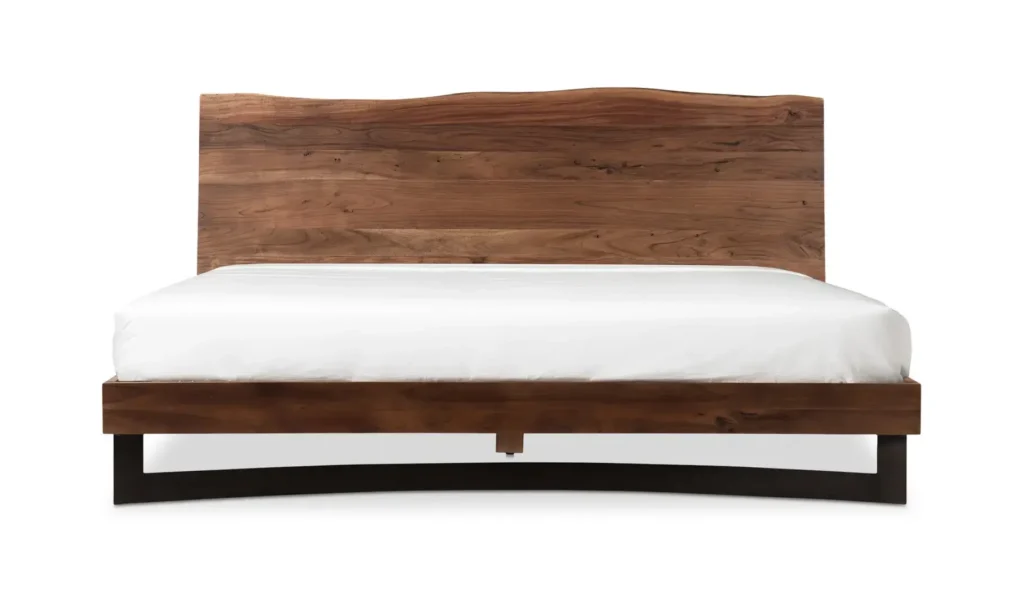
One of the greatest strengths of a solid wood bed is its ability to adapt to virtually any interior design aesthetic. The material itself is a blank canvas, capable of being stained, painted, or left natural to complement your vision.
Popular Solid Wood Bed Styles
| Style | Key Characteristics | Ideal Wood Type | Complementary Design Elements |
|---|---|---|---|
| Mid-Century Modern | Clean lines, tapered legs, low profile, and minimalist headboards. | Walnut, Teak, or Cherry for a classic, warm look. | Geometric patterns, brass accents, and simple, functional nightstands. |
| Rustic/Farmhouse | Distressed finishes, thick posts, and visible wood grain or knots. | Pine, Reclaimed Wood, or rough-sawn Oak. | Natural fibers, wrought iron, and cozy, layered bedding. |
| Japandi/Scandinavian | Simple, low-to-the-ground platform design, natural finish, and functional minimalism. | Light-colored woods like Ash, Birch, or light-stained Maple. | Neutral color palettes, cork, and soft, organic textures [4]. |
| Traditional/Classic | Tall, often carved headboards and footboards, rich finishes, and substantial presence. | Mahogany, Dark Oak, or Cherry. | Luxurious fabrics, tufted accents, and ornate lighting. |
By choosing a solid wood bed, you are selecting a piece that will not only look beautiful today but will also remain a timeless centerpiece even as your decorating tastes evolve.
The Health and Wellness Benefits of a Natural Bed
Beyond aesthetics and durability, a solid wood bed contributes positively to your health and the environment, aligning with the growing demand for sustainable and non-toxic home furnishings.
1. A Foundation for Better Sleep
A sturdy bed frame is critical for proper spinal alignment and restful sleep. The inherent firmness and stability of a solid wood bed provide a reliable base for your mattress, preventing sagging and movement that can lead to discomfort and pain. This stable foundation ensures that your mattress can perform its job optimally, supporting your body throughout the night.
2. Hypoallergenic and Non-Toxic
Unlike some engineered wood products that use glues and resins containing volatile organic compounds (VOCs), a natural solid wood bed is inherently non-toxic and hypoallergenic.
Solid wooden beds are considered hypoallergenic, which makes sure that even people who are prone to allergies can often sleep comfortably on the bed.
For those sensitive to chemicals or concerned about indoor air quality, choosing a frame with a natural oil finish or a low-VOC stain is a simple way to ensure a healthier sleeping environment. .
3. Sustainable and Renewable
Investing in a solid wood bed is an environmentally conscious choice. Wood is a renewable resource, and when sourced responsibly, it has a lower carbon footprint than many synthetic materials. Furthermore, because a solid wood frame can be repaired, refinished, and repurposed (a service we proudly offer through our custom woodworking shop) it avoids the landfill, making it a truly sustainable, long-term purchase.
Practical Considerations for Your Solid Wood Bed
While the benefits are clear, there are a few practical factors to consider when selecting and caring for your new solid wood bed.
Weight
One of the few “cons” of a solid wood frame is its weight. These beds are heavy, which is a testament to their quality, but it means they can be challenging to move.
Maintenance and Care
Caring for a solid wood bed is surprisingly simple, and its low maintenance is a major advantage.
- Cleaning: A simple wipe-down with a damp cloth is usually sufficient. Avoid harsh chemical cleaners that can strip the finish.
- Protection: Protect the wood from direct sunlight and extreme temperature changes, which can cause fading or minor cracking over time.
- Refinishing: The beauty of solid wood is that any scratches or dents can be sanded out and the piece can be refinished, restoring it to its original glory or giving it a completely new look. This is a service that engineered wood simply cannot offer.
The Cost-Value Equation
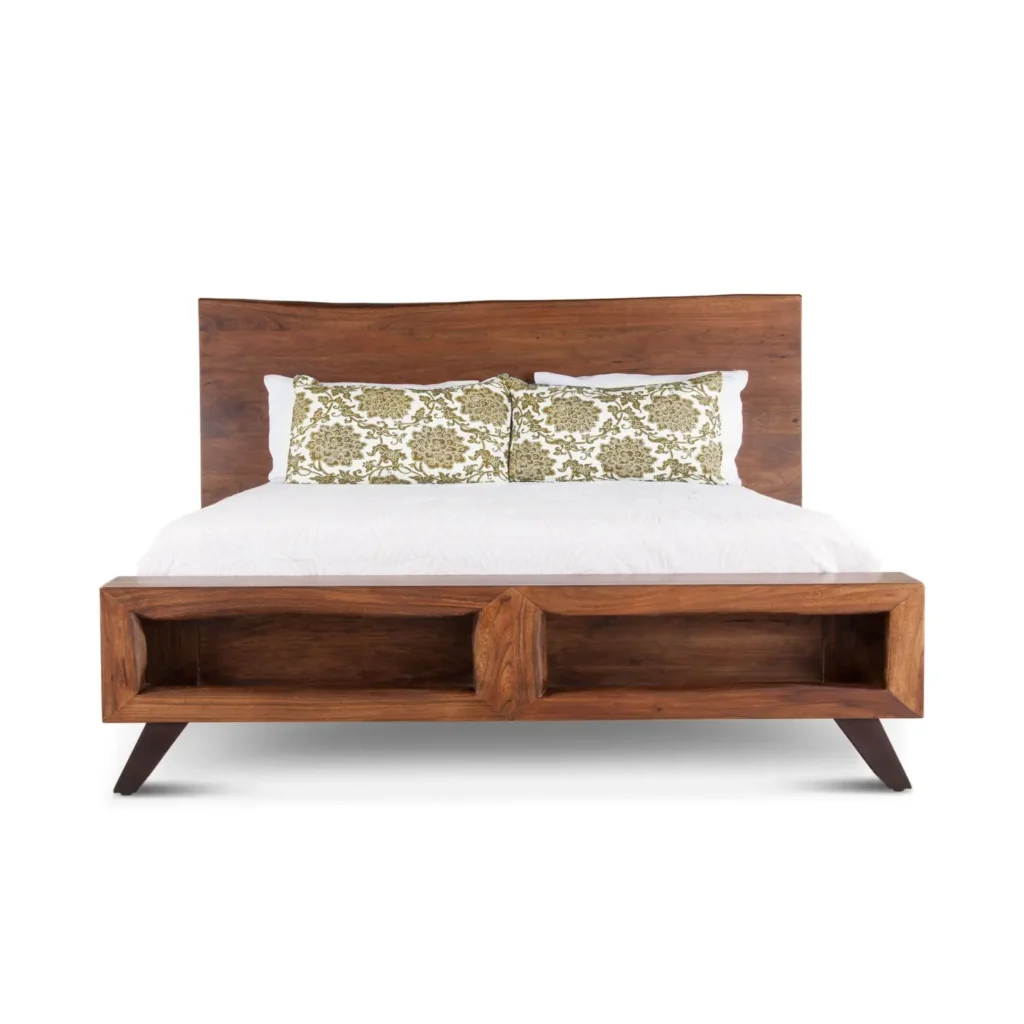
A high-quality solid wood bed will always have a higher initial price tag than a particleboard or veneer frame. However, this is where the cost-value equation becomes clear.
| Factor | Low-Cost Engineered Bed | High-Quality Solid Wood Bed |
|---|---|---|
| Initial Cost | Low (e.g., $200 – $500) | High (e.g., $800 – $3,000+) |
| Lifespan | 3 – 7 years | 20+ years (Generational) |
| Repairability | Poor; often irreparable once damaged. | Excellent; can be sanded, stained, and restored indefinitely. |
| Total Cost of Ownership (20 Years) | High (multiple replacements needed) | Low (one initial purchase) |
| Resale/Heirloom Value | None | High |
The investment in a solid wood bed is an investment in quality of life and financial prudence, as you avoid the cycle of frequent replacements.
Customization and Personalization
For the DIY or custom buyer, the journey to owning the perfect solid wood bed often leads to customization. This is where our unique position as both a lumber supplier and a custom furniture maker truly benefits our customers.
1. Unfinished Furniture
We offer a wide selection of unfinished furniture, giving you the unique opportunity to personalize your bed frame to your exact specifications. This is perfect for the DIY enthusiast or anyone who wants a specific stain or paint color that is not available off-the-shelf. You control the final look, ensuring the piece perfectly matches your existing decor.
2. Custom Woodworking
If you have a specific design in mind—perhaps a unique live-edge headboard crafted from a Monkey Pod slab, or a bed frame with integrated storage and lighting, our custom woodworking shop can bring that vision to life. We work with you to select the perfect species of wood, design the joinery, and create a truly one-of-a-kind solid wood bed that is built to your room’s exact dimensions and your personal style.
Conclusion: The Foundation of Your Sanctuary

A solid wood bed is more than just a place to sleep; it is the anchor of your bedroom sanctuary. It offers an unparalleled combination of aesthetic beauty, structural integrity, and long-term value that simply cannot be matched by mass-produced alternatives.
From the rich, warm tones of Walnut to the clean, modern lines of a light Oak platform, the choice of a solid wood frame reflects a commitment to quality and a respect for natural materials. By choosing a solid wood bed, you are not just buying furniture; you are securing a piece of enduring craftsmanship that will support your rest and enrich your home for generations to come.
We invite you to visit our Colorado Springs showroom to explore our collection of finished and unfinished real wood furniture, or to speak with our experts about designing the custom solid wood bed of your dreams.